What Is Microsoft Foundry? The Evolution of Microsoft's Developer and AI Platform


Microsoft Foundry is Microsoft's platform on Azure for building AI agents and the applications around them. Microsoft's overview of Foundry says it "unifies agents, models, and tools under a single management grouping". Tracing, monitoring and evaluations are built in. You manage all of it as one Azure resource, with one set of access controls, networking and policies. Until its latest rename it was called Azure AI Foundry, and before that Azure AI Studio.
What you build on it has three parts: agents, models, and the tools and knowledge an agent works with. Microsoft puts its model catalog at more than 10,000 models, from Microsoft, OpenAI, Anthropic, Meta and others. Tools and knowledge give an agent built-in tools, memory and retrieval, which looks up facts in your own data. Foundry has no price of its own. Microsoft's cost guide says Foundry has no page in the Azure pricing calculator "because Foundry is composed of several optional Azure services". You pay for the services you use, such as Azure OpenAI models, Azure Speech in Foundry or Azure AI Search.
The names Microsoft Foundry has had
Microsoft's "Evolution of Foundry" table sits on the same overview page. It lists the platform's names in order: Azure AI Studio, then Azure AI Foundry, and now Microsoft Foundry. The table also renames Azure AI Services as Foundry Tools. You once set up a hub with separate Azure OpenAI and Azure AI Services resources. Now you create one Foundry resource that holds your projects. The developer side changed with the name. Developers used to call five or more endpoints through several SDK packages. Now one project client, azure-ai-projects 2.x, works with OpenAI() against one project endpoint. Threads, messages, runs and assistants are now called conversations, items, responses and agent versions.
Work you started under the earlier names is still there. Hub-based projects open in the Foundry (classic) portal. Microsoft says new investments focus on Foundry projects in the new portal. You can upgrade an Azure OpenAI resource to a Foundry resource and keep its endpoint, API keys and existing state.
What you build on Microsoft Foundry
Most projects on Foundry center on an agent. Microsoft's overview describes an agent as "a model paired with instructions and tools that can reason over a request and take action". You choose how much of it you run yourself. A prompt agent is declarative, so you describe it instead of programming it. You write the instructions, pick a model and attach tools in the portal or the SDK, and Foundry hosts and runs it for you. A voice-based prompt agent does the same for spoken conversations in real time. A hosted agent runs your own code, packaged as a container. That code can use a framework such as Microsoft Agent Framework, LangGraph or Semantic Kernel. Foundry gives a hosted agent a managed endpoint, scaling, identity and observability, so you can trace and monitor what it does. Microsoft notes that you can start declarative and move to code as your needs grow. If you only need to send prompts to a model, a single model call is enough.
Microsoft's recommended path for a new developer has five steps. You make your first model call, set up your developer environment and choose a model. Then you build your first agent and add tools and knowledge. Microsoft recommends adding tools to an agent through a Foundry Toolbox. Memory is in preview.
On top of agents, models and tools, Foundry adds three platform capabilities to every project. Observability lets you trace and evaluate agents and models, and monitor them on built-in dashboards, which are in preview. Governance and security cover Microsoft Entra identity, role-based access control, content filters, network isolation and Azure Policy. One management plane lets you manage agents, models and tools as a single Azure resource, with one set of access controls, networking and policies. Microsoft marks some of these capabilities as preview and lists their current status on its general availability page.
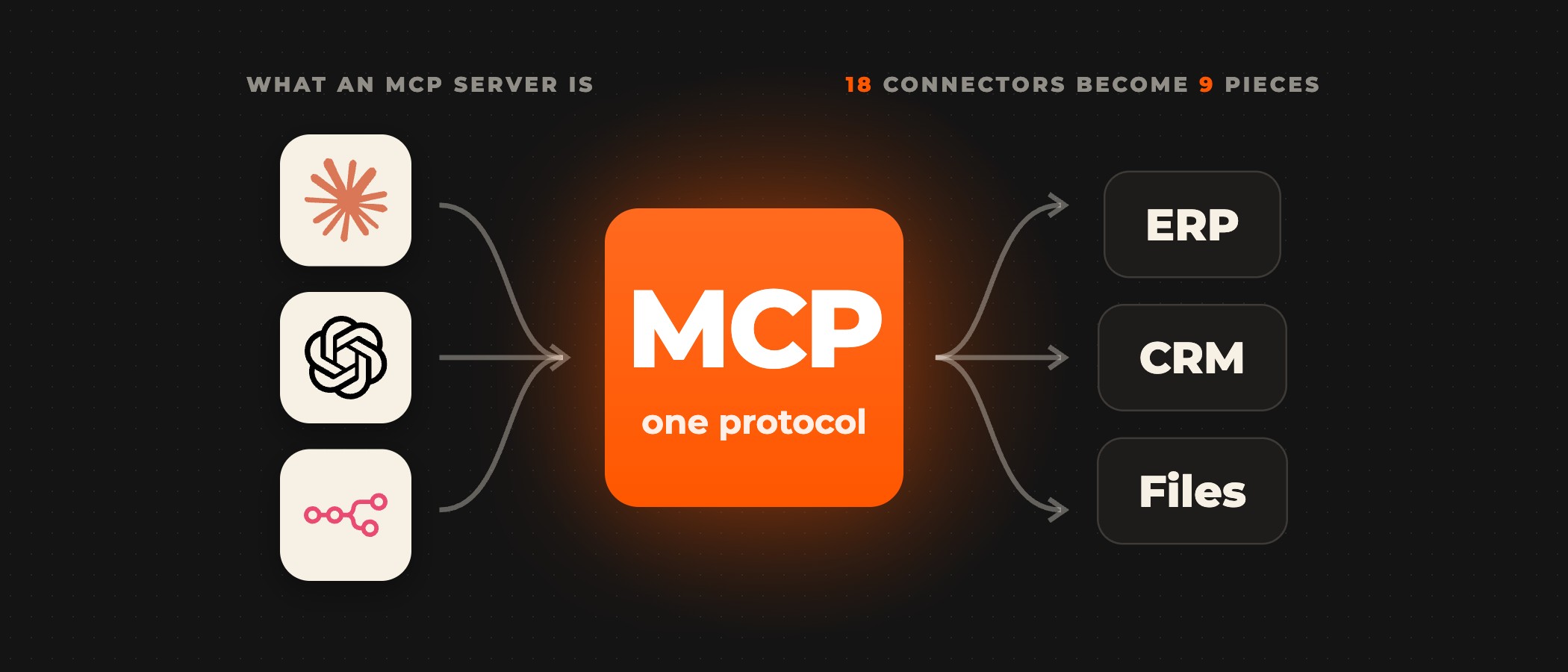
Microsoft's developer surface table lists five ways to work with Foundry. Many developers combine them, prototyping in the portal and then moving to code. In the Foundry portal you explore models, try out prompts and build prompt agents without writing code. The SDKs let you build applications in Python, C#, JavaScript or Java. The Azure Developer CLI sets up, runs, tests and deploys hosted agent projects from the command line. In Visual Studio Code, the Foundry extension lets you build and debug agents in your editor. Coding agents such as GitHub Copilot or Claude Code can drive Foundry through the Foundry Skill and MCP server. MCP, the Model Context Protocol, is the open standard AI tools use to connect to other systems.
| Is for | |
|---|---|
| Foundry portal | exploring models, prototyping prompts and building prompt agents without writing code |
| SDKs | building applications in Python, C#, JavaScript or Java |
| Azure Developer CLI | scaffolding, running, testing and deploying hosted agent projects from the command line |
| Visual Studio Code | building and debugging agents in your editor with the Foundry extension |
| Coding agents | GitHub Copilot or Claude Code can drive Foundry through the Foundry Skill and MCP server |
Where Microsoft Foundry fits
Our platform comparison scores eight platforms against the same four jobs, and our Microsoft Foundry page gives Foundry's results. Foundry is a strong fit for an assistant that answers from your own documents. It is also a strong fit for custom agents that IT and security can sign off. For an agent that works through a queue of tasks, it is a good fit. It is the wrong choice when something that happens in one app should update the others, because Foundry has no trigger-and-steps workflow builder. We build that job on n8n, which bills once per run, however many steps the run has. The same page names Azure Logic Apps as the way Foundry connects to your business systems. It also notes that agent data stays in the Azure region you deploy to.
Building on Microsoft Foundry with Ovidius
We build secure, agentic workflows on Microsoft Foundry and connect them to the CRM, ERP and SharePoint your people already use. We keep them running after launch. Every build starts with an AI Audit or a scoped pilot. Before we write code, we agree with you on the workflow, the data it may touch and the person who owns it. An AI pilot takes 2 to 6 weeks, and we set the timeline of a full build in scoping. We test every build in staging, on test or masked records, before it goes live. We also check the usage estimate against the Azure bill.
Frequently asked questions
Does Microsoft Foundry only run OpenAI models?
No. The Foundry Models catalog holds models from Microsoft, OpenAI, Anthropic, Meta and others, according to Microsoft's overview of Foundry. OpenAI's models are one choice in that catalog. You choose a model for each agent or model call. The Foundry resource manages those deployments next to your agents and tools, under one set of access controls, networking and policies.
Does Microsoft Foundry cost anything on its own?
No. Microsoft's cost guide says Foundry has no page in the Azure pricing calculator because it "is composed of several optional Azure services". You pay for the services you use, each at its own rates, such as Azure OpenAI models, Azure Speech in Foundry or Azure AI Search. Azure OpenAI has no hard spending limit, so the same guide recommends budgets and alerts in Cost Management.
What is the difference between a prompt agent and a hosted agent?
The difference is how much you run yourself. A prompt agent is declarative. You set the instructions, the model and the tools, and Foundry hosts and runs it, with no application code or containers for you to maintain. A hosted agent runs your own code, packaged as a container, and can use a framework such as LangGraph or Semantic Kernel. Foundry gives it a managed endpoint, scaling, identity and observability.
Do I need to write code to use Microsoft Foundry?
Not to start. In the Foundry portal you can explore models, prototype prompts and build prompt agents without writing code. You need code to build applications with the SDKs for Python, C#, JavaScript or Java. You also need it for a hosted agent, which runs your own code. Microsoft's overview describes a common pattern of prototyping in the portal and then moving to code.
Can I work on Microsoft Foundry from GitHub Copilot or Claude Code?
Yes. Microsoft's developer surface table lists coding agents, such as GitHub Copilot or Claude Code, as one of five ways to work with Foundry. They drive Foundry through the Foundry Skill and MCP server. If you prefer an editor, Visual Studio Code has a Foundry extension for building and debugging agents.
What happens to an existing Azure OpenAI resource?
You can upgrade it to a Foundry resource and keep its endpoint, API keys and existing state. That is the path Microsoft's overview of Foundry gives Azure OpenAI users. Projects built on the older hub model still open in the Foundry (classic) portal. Microsoft focuses new investments on Foundry projects in the new portal.
Considering Microsoft Foundry for a workflow? Book a discovery call. A senior partner tells you whether Foundry is the right platform for the job before anything is scoped.